Guerrilla & Urban Warfare 101: How Irregular Forces Fight in Cities and Rough Terrain
Guerrilla & Urban Warfare 101: How Irregular Forces Fight in Cities and Rough Terrain is best read as a practical explainer, not a slogan or a ranking. The useful version of the topic starts with planning, timing, uncertainty, and the discipline needed when conditions change, then connects those pieces to people, equipment, geography, and command judgment. For Defense Street readers, Guerrilla & Urban Warfare matters because it shows how modern defense work depends on systems that must perform under pressure, not just on the part that looks most dramatic from the outside.
What the Topic Really Means
Guerrilla and urban warfare involve conflict in environments where weaker or irregular forces can use terrain, population, concealment, and mobility to offset conventional disadvantages.
The topic is about why such conflicts are hard to resolve, not a guide to fighting. Cities and rough terrain complicate movement, intelligence, protection, and political legitimacy.
For Guerrilla & Urban Warfare 101: How Irregular Forces Fight in Cities and Rough Terrain, the what the topic really means angle is strongest when it connects irregular conflict in complex terrain to organization, training, logistics, and accountability. Defense topics are rarely explained by one impressive number, because the result depends on people, doctrine, maintenance, communications, and support systems working together.
In the what the topic really means section, irregular conflict in complex terrain also needs plain context. A capability can look powerful on paper while still depending on readiness, terrain, policy, command judgment, and the mission it is assigned to support.
The what the topic really means view also helps separate public fascination from military reality. Readers get a clearer picture when irregular conflict in complex terrain is tied to disciplined training, lawful authority, maintenance cycles, and the larger unit that turns an individual capability into useful defense power.
A strong explanation of what the topic really means keeps the focus on judgment rather than spectacle. The useful questions are what the capability is for, who is responsible for it, what limits shape its use, and how it supports a mission without becoming the whole story.
Why It Matters in Defense
Guerrilla warfare matters because irregular forces may avoid direct battles and instead try to survive, influence the population, exhaust opponents, and create political pressure.
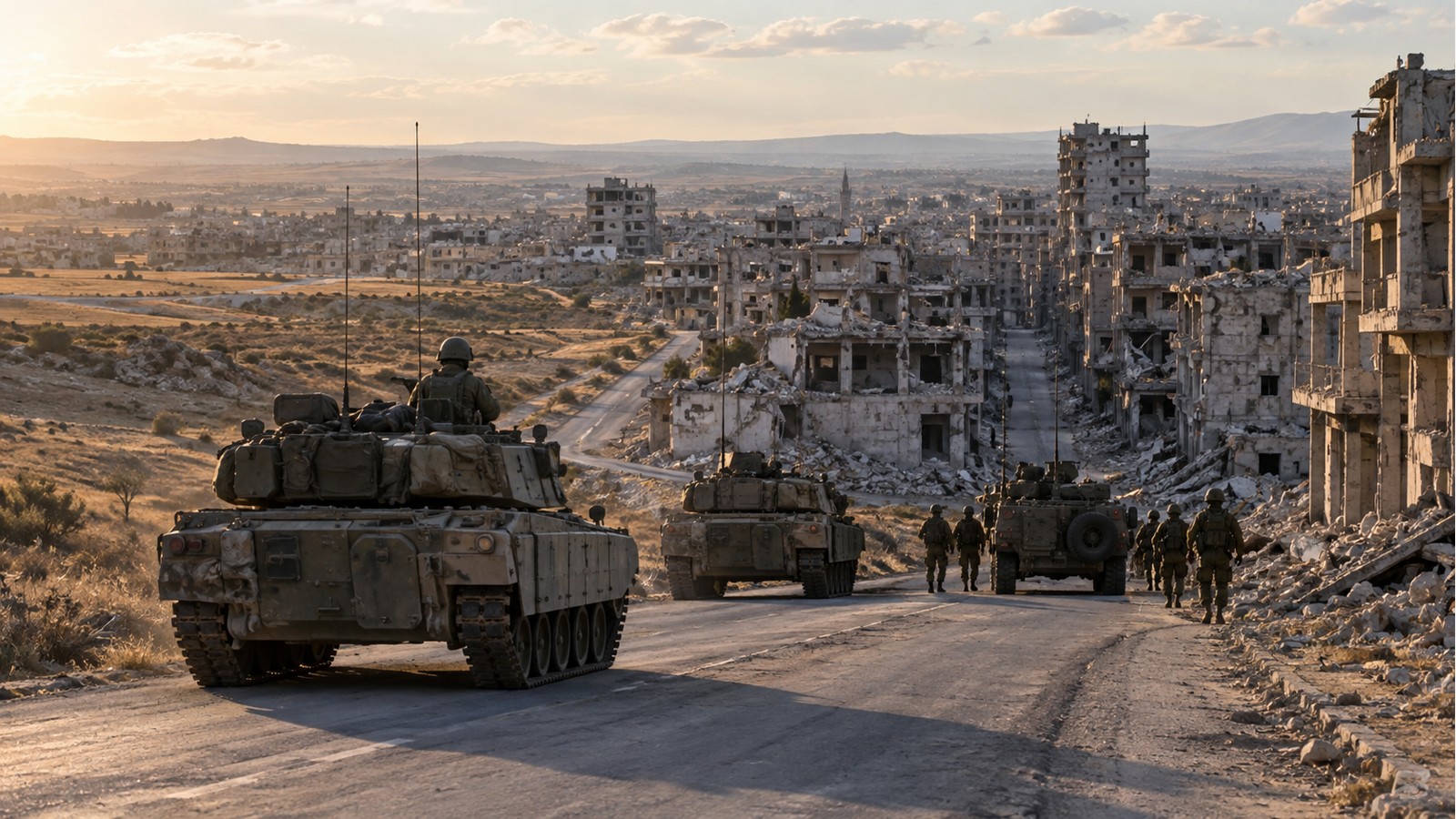
Urban warfare matters because cities compress civilians, infrastructure, buildings, tunnels, roads, communications, and military objectives into the same space.
For Guerrilla & Urban Warfare 101: How Irregular Forces Fight in Cities and Rough Terrain, the why it matters in defense angle is strongest when it connects irregular conflict in complex terrain to organization, training, logistics, and accountability. Defense topics are rarely explained by one impressive number, because the result depends on people, doctrine, maintenance, communications, and support systems working together.
In the why it matters in defense section, irregular conflict in complex terrain also needs plain context. A capability can look powerful on paper while still depending on readiness, terrain, policy, command judgment, and the mission it is assigned to support.
The why it matters in defense view also helps separate public fascination from military reality. Readers get a clearer picture when irregular conflict in complex terrain is tied to disciplined training, lawful authority, maintenance cycles, and the larger unit that turns an individual capability into useful defense power.
A strong explanation of why it matters in defense keeps the focus on judgment rather than spectacle. The useful questions are what the capability is for, who is responsible for it, what limits shape its use, and how it supports a mission without becoming the whole story.
The Main Parts to Understand
The main parts include terrain, population, intelligence, logistics, legitimacy, command structure, mobility, concealment, information, and the response of conventional forces.
Urban terrain adds vertical space, limited visibility, dense infrastructure, civilian risk, and constant media or information pressure.
For Guerrilla & Urban Warfare 101: How Irregular Forces Fight in Cities and Rough Terrain, the the main parts to understand angle is strongest when it connects irregular conflict in complex terrain to organization, training, logistics, and accountability. Defense topics are rarely explained by one impressive number, because the result depends on people, doctrine, maintenance, communications, and support systems working together.
In the the main parts to understand section, irregular conflict in complex terrain also needs plain context. A capability can look powerful on paper while still depending on readiness, terrain, policy, command judgment, and the mission it is assigned to support.
The the main parts to understand view also helps separate public fascination from military reality. Readers get a clearer picture when irregular conflict in complex terrain is tied to disciplined training, lawful authority, maintenance cycles, and the larger unit that turns an individual capability into useful defense power.
A strong explanation of the main parts to understand keeps the focus on judgment rather than spectacle. The useful questions are what the capability is for, who is responsible for it, what limits shape its use, and how it supports a mission without becoming the whole story.
How to Read the Claims
Claims about guerrilla and urban warfare should avoid romanticizing irregular forces or assuming conventional armies are helpless. Outcomes depend on politics, protection, intelligence, restraint, and endurance.
A responsible explanation avoids tactical instruction and focuses on why these environments create difficult choices for all sides.
For Guerrilla & Urban Warfare 101: How Irregular Forces Fight in Cities and Rough Terrain, the how to read the claims angle is strongest when it connects irregular conflict in complex terrain to organization, training, logistics, and accountability. Defense topics are rarely explained by one impressive number, because the result depends on people, doctrine, maintenance, communications, and support systems working together.
In the how to read the claims section, irregular conflict in complex terrain also needs plain context. A capability can look powerful on paper while still depending on readiness, terrain, policy, command judgment, and the mission it is assigned to support.
The how to read the claims view also helps separate public fascination from military reality. Readers get a clearer picture when irregular conflict in complex terrain is tied to disciplined training, lawful authority, maintenance cycles, and the larger unit that turns an individual capability into useful defense power.
A strong explanation of how to read the claims keeps the focus on judgment rather than spectacle. The useful questions are what the capability is for, who is responsible for it, what limits shape its use, and how it supports a mission without becoming the whole story.
Where People Get Confused
One confusion is treating guerrilla warfare as only a military method. It is usually tied to politics, identity, grievances, outside support, and legitimacy.
Another confusion is assuming superior firepower solves urban conflict. Heavy force can create civilian harm, infrastructure damage, and political consequences.
For Guerrilla & Urban Warfare 101: How Irregular Forces Fight in Cities and Rough Terrain, the where people get confused angle is strongest when it connects irregular conflict in complex terrain to organization, training, logistics, and accountability. Defense topics are rarely explained by one impressive number, because the result depends on people, doctrine, maintenance, communications, and support systems working together.
In the where people get confused section, irregular conflict in complex terrain also needs plain context. A capability can look powerful on paper while still depending on readiness, terrain, policy, command judgment, and the mission it is assigned to support.
The where people get confused view also helps separate public fascination from military reality. Readers get a clearer picture when irregular conflict in complex terrain is tied to disciplined training, lawful authority, maintenance cycles, and the larger unit that turns an individual capability into useful defense power.
A strong explanation of where people get confused keeps the focus on judgment rather than spectacle. The useful questions are what the capability is for, who is responsible for it, what limits shape its use, and how it supports a mission without becoming the whole story.
Real-World Context
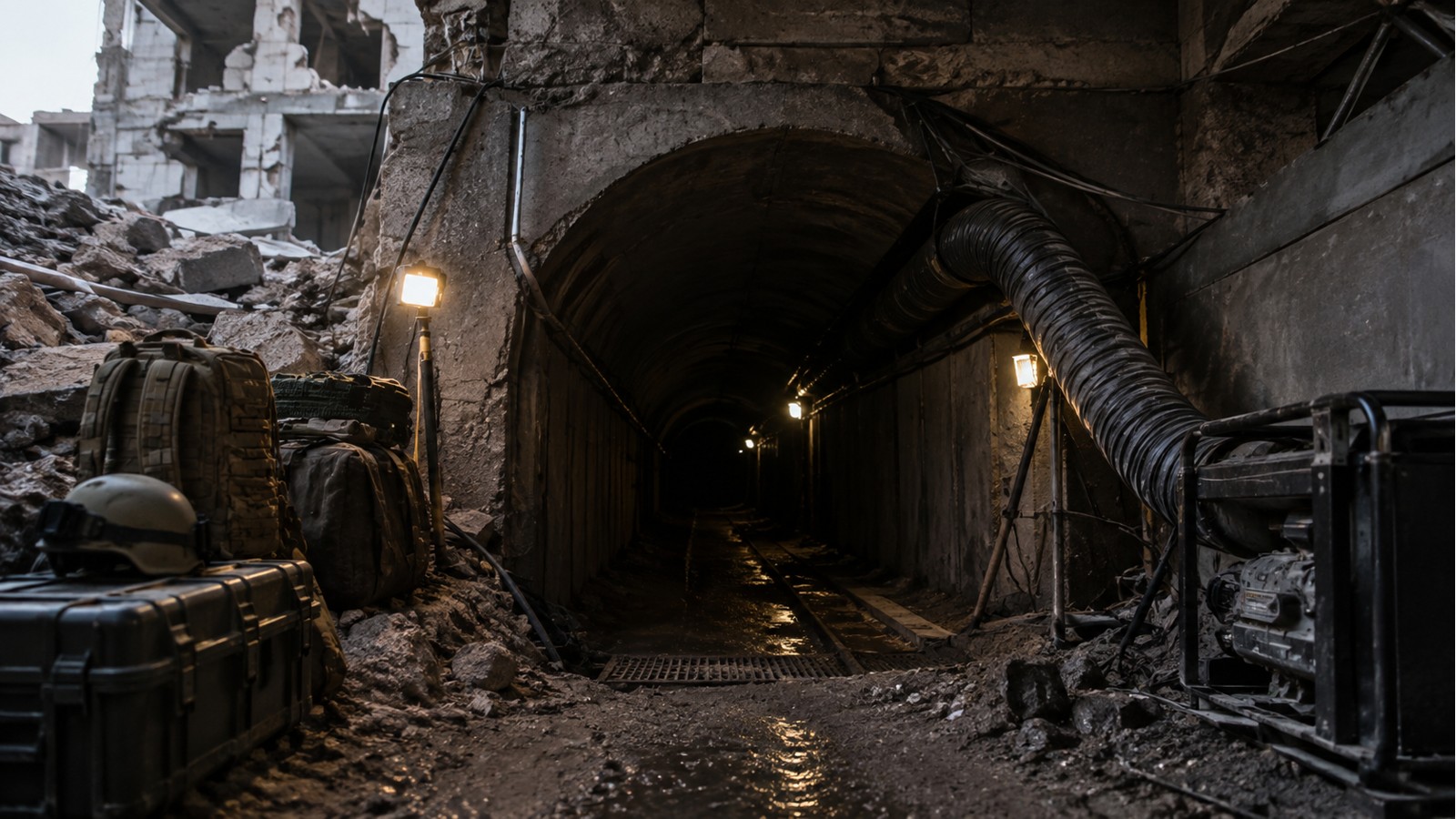
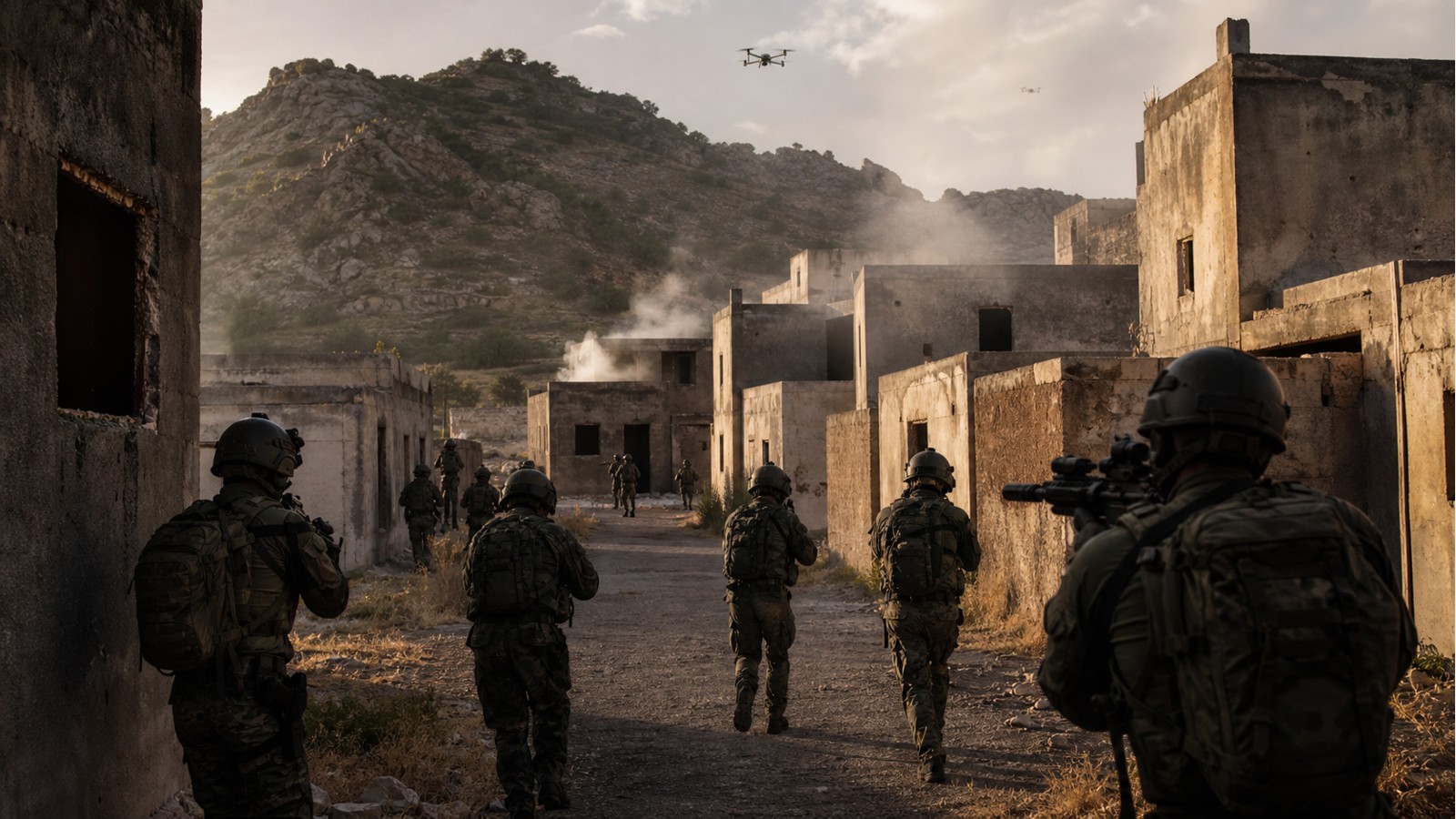
Modern urban conflict is shaped by drones, smartphones, underground infrastructure, cyber disruption, humanitarian corridors, precision weapons, and global media attention.
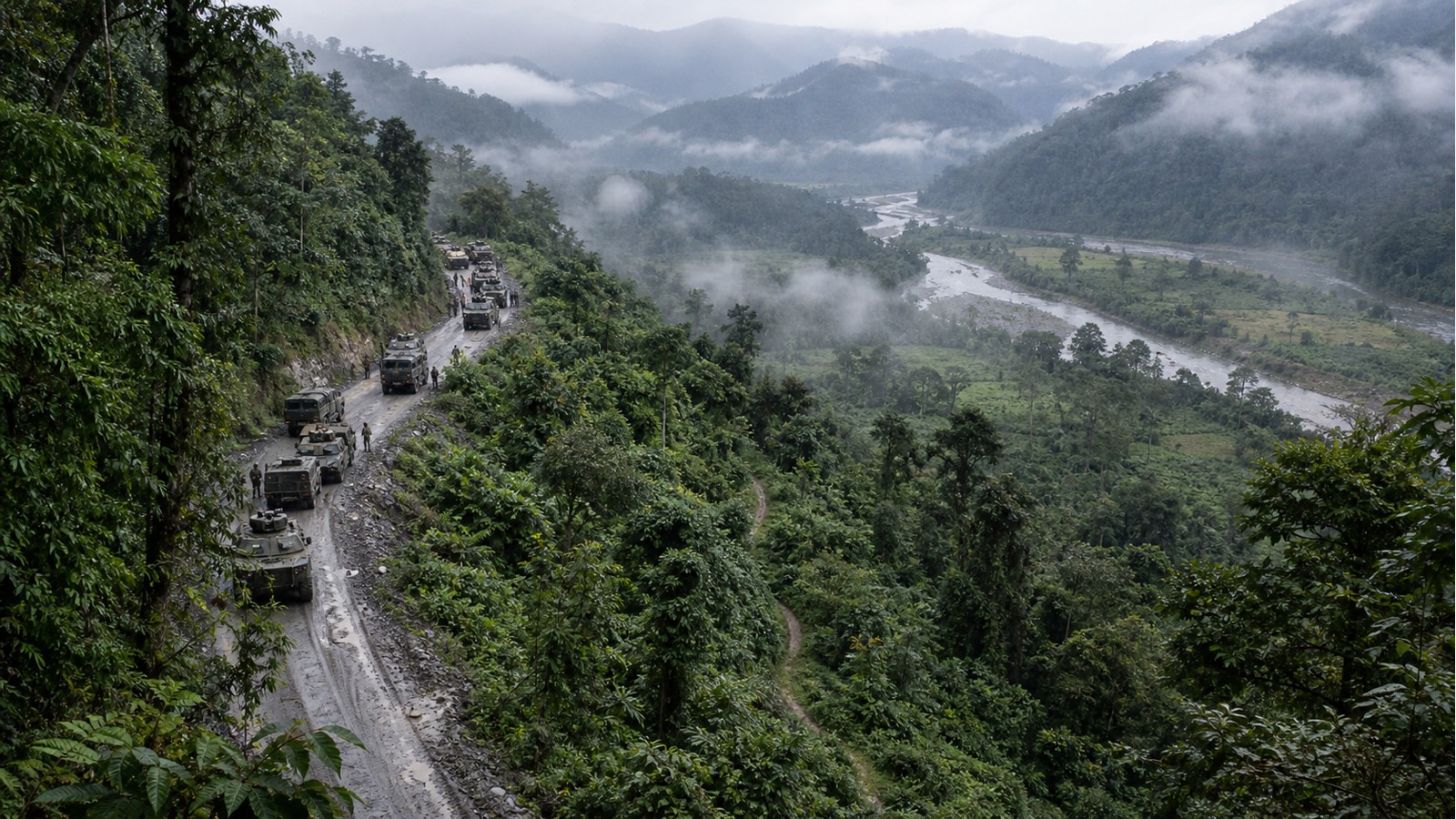
Rough terrain such as mountains, forests, deserts, and borderlands can make surveillance, supply, and control difficult for large forces.
For Guerrilla & Urban Warfare 101: How Irregular Forces Fight in Cities and Rough Terrain, the real-world context angle is strongest when it connects irregular conflict in complex terrain to organization, training, logistics, and accountability. Defense topics are rarely explained by one impressive number, because the result depends on people, doctrine, maintenance, communications, and support systems working together.
In the real-world context section, irregular conflict in complex terrain also needs plain context. A capability can look powerful on paper while still depending on readiness, terrain, policy, command judgment, and the mission it is assigned to support.
The real-world context view also helps separate public fascination from military reality. Readers get a clearer picture when irregular conflict in complex terrain is tied to disciplined training, lawful authority, maintenance cycles, and the larger unit that turns an individual capability into useful defense power.
A strong explanation of real-world context keeps the focus on judgment rather than spectacle. The useful questions are what the capability is for, who is responsible for it, what limits shape its use, and how it supports a mission without becoming the whole story.
Limits, Risks, and Tradeoffs
The limits include civilian protection, legal obligations, intelligence uncertainty, logistics strain, fatigue, language barriers, local politics, and difficulty distinguishing fighters from noncombatants.
Irregular forces also face limits: resources, internal discipline, popular support, exposure to intelligence work, and the challenge of governing if they gain control.
For Guerrilla & Urban Warfare 101: How Irregular Forces Fight in Cities and Rough Terrain, the limits, risks, and tradeoffs angle is strongest when it connects irregular conflict in complex terrain to organization, training, logistics, and accountability. Defense topics are rarely explained by one impressive number, because the result depends on people, doctrine, maintenance, communications, and support systems working together.
In the limits, risks, and tradeoffs section, irregular conflict in complex terrain also needs plain context. A capability can look powerful on paper while still depending on readiness, terrain, policy, command judgment, and the mission it is assigned to support.
The limits, risks, and tradeoffs view also helps separate public fascination from military reality. Readers get a clearer picture when irregular conflict in complex terrain is tied to disciplined training, lawful authority, maintenance cycles, and the larger unit that turns an individual capability into useful defense power.
A strong explanation of limits, risks, and tradeoffs keeps the focus on judgment rather than spectacle. The useful questions are what the capability is for, who is responsible for it, what limits shape its use, and how it supports a mission without becoming the whole story.
How the Topic Is Changing
Guerrilla and urban warfare are changing through cheap drones, encrypted communications, social media narratives, precision fires, and sensors that make concealment harder.
Future conflicts may blur the line between physical control of terrain and digital influence over the people living there.
For Guerrilla & Urban Warfare 101: How Irregular Forces Fight in Cities and Rough Terrain, the how the topic is changing angle is strongest when it connects irregular conflict in complex terrain to organization, training, logistics, and accountability. Defense topics are rarely explained by one impressive number, because the result depends on people, doctrine, maintenance, communications, and support systems working together.
In the how the topic is changing section, irregular conflict in complex terrain also needs plain context. A capability can look powerful on paper while still depending on readiness, terrain, policy, command judgment, and the mission it is assigned to support.
The how the topic is changing view also helps separate public fascination from military reality. Readers get a clearer picture when irregular conflict in complex terrain is tied to disciplined training, lawful authority, maintenance cycles, and the larger unit that turns an individual capability into useful defense power.
A strong explanation of how the topic is changing keeps the focus on judgment rather than spectacle. The useful questions are what the capability is for, who is responsible for it, what limits shape its use, and how it supports a mission without becoming the whole story.
A Clear Way to Remember It
A simple memory hook is terrain, people, legitimacy, endurance. Irregular and urban conflicts are shaped by where people live, what they believe, and who can endure.
When reading about these conflicts, ask what political problem is beneath the military problem.
For Guerrilla & Urban Warfare 101: How Irregular Forces Fight in Cities and Rough Terrain, the a clear way to remember it angle is strongest when it connects irregular conflict in complex terrain to organization, training, logistics, and accountability. Defense topics are rarely explained by one impressive number, because the result depends on people, doctrine, maintenance, communications, and support systems working together.
In the a clear way to remember it section, irregular conflict in complex terrain also needs plain context. A capability can look powerful on paper while still depending on readiness, terrain, policy, command judgment, and the mission it is assigned to support.
The a clear way to remember it view also helps separate public fascination from military reality. Readers get a clearer picture when irregular conflict in complex terrain is tied to disciplined training, lawful authority, maintenance cycles, and the larger unit that turns an individual capability into useful defense power.
A strong explanation of a clear way to remember it keeps the focus on judgment rather than spectacle. The useful questions are what the capability is for, who is responsible for it, what limits shape its use, and how it supports a mission without becoming the whole story.
Bottom Line on Guerrilla and Urban Warfare
Guerrilla and urban warfare are difficult because terrain, civilians, intelligence, legitimacy, and endurance all matter. Conventional strength helps, but it cannot replace political understanding and disciplined restraint.