Cruise Missiles Explained: Precision Strike Weapons in Modern War
Cruise Missiles Explained: Precision Strike Weapons in Modern War is best read as a practical explainer, not a slogan or a ranking. The useful version of the topic starts with capability, limits, support demands, and the way technology shapes choices, then connects those pieces to people, equipment, geography, and command judgment. For Defense Street readers, Cruise Missiles matters because it shows how modern defense work depends on systems that must perform under pressure, not just on the part that looks most dramatic from the outside.
What the Topic Really Means
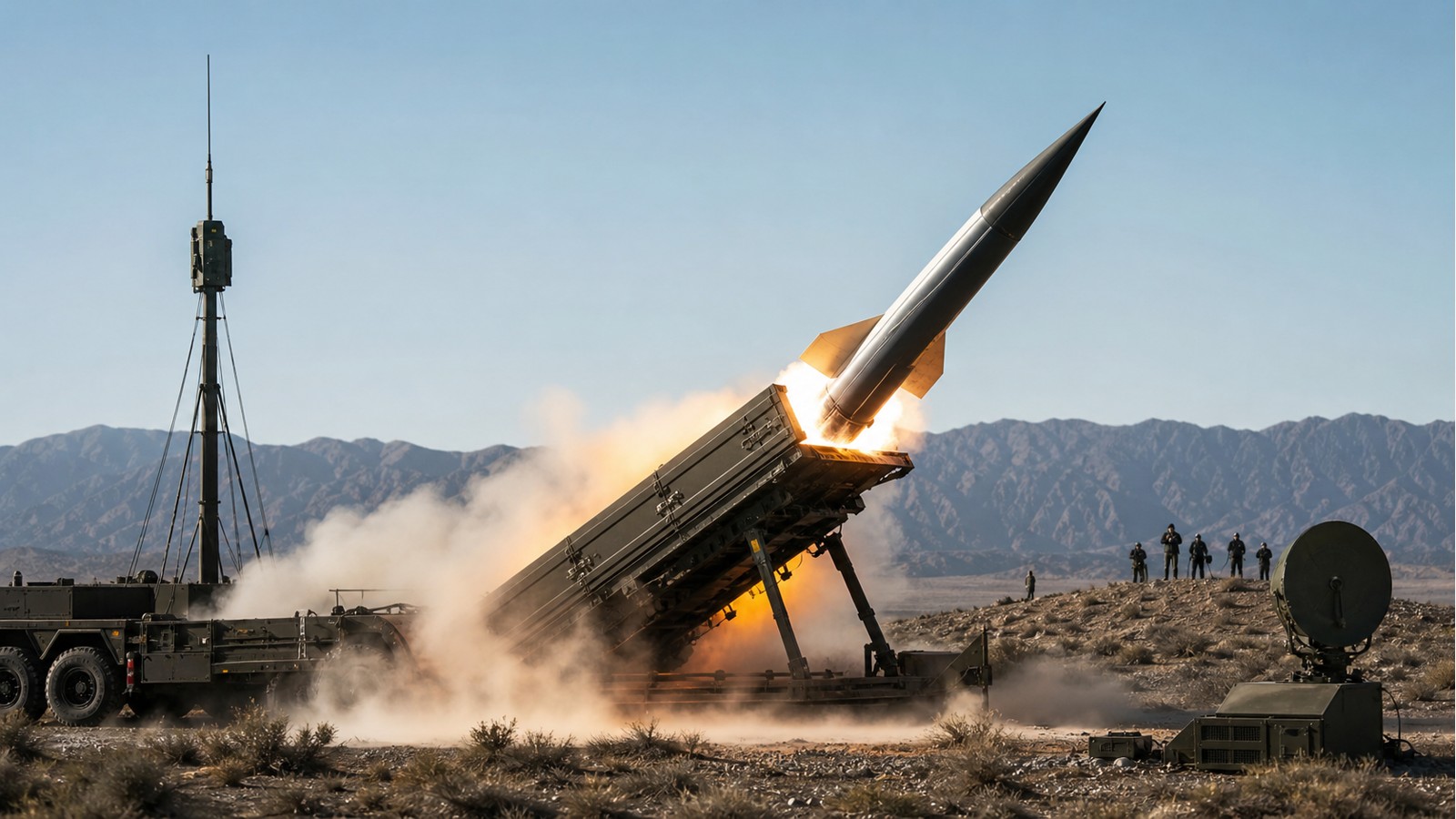
Cruise missiles are guided weapons that fly through the atmosphere toward a target, often at low altitude and over long distance. Unlike ballistic missiles, they travel more like pilotless aircraft.
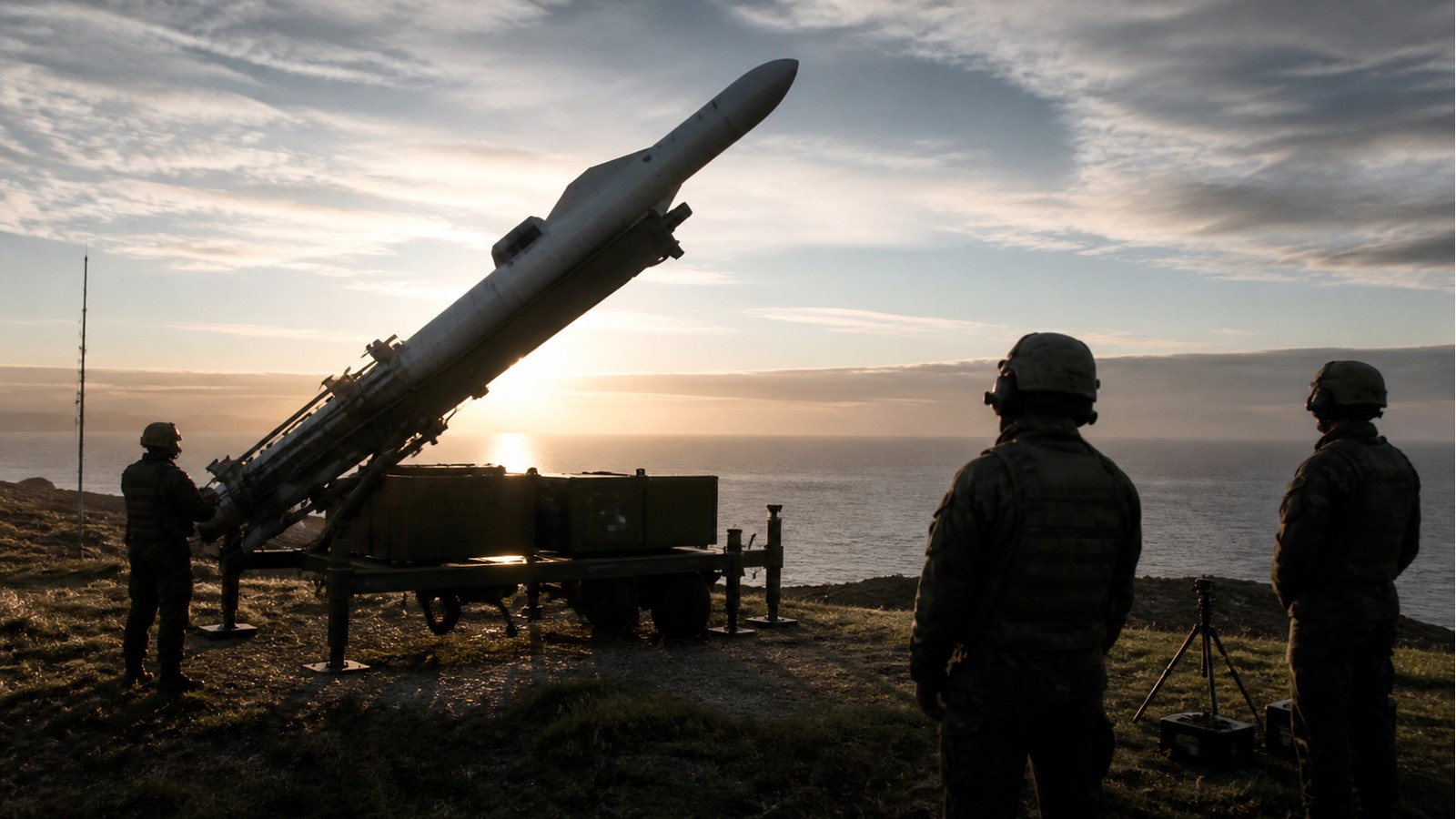
They matter because they can deliver precision effects from ships, submarines, aircraft, or ground launchers while keeping launch platforms farther from defended areas.
For Cruise Missiles Explained: Precision Strike Weapons in Modern War, the what the topic really means angle is strongest when it connects long-range precision strike to organization, training, logistics, and accountability. Defense topics are rarely explained by one impressive number, because the result depends on people, doctrine, maintenance, communications, and support systems working together.
In the what the topic really means section, long-range precision strike also needs plain context. A capability can look powerful on paper while still depending on readiness, terrain, policy, command judgment, and the mission it is assigned to support.
The what the topic really means view also helps separate public fascination from military reality. Readers get a clearer picture when long-range precision strike is tied to disciplined training, lawful authority, maintenance cycles, and the larger unit that turns an individual capability into useful defense power.
A strong explanation of what the topic really means keeps the focus on judgment rather than spectacle. The useful questions are what the capability is for, who is responsible for it, what limits shape its use, and how it supports a mission without becoming the whole story.
Why It Matters in Defense
Cruise missiles matter to modern war because they can strike air defenses, command nodes, infrastructure, ships, and other high-value targets without requiring immediate aircraft overflight.
They also matter for deterrence and signaling. A state can use the presence of long-range precision weapons to influence an opponent’s planning even before any launch occurs.
For Cruise Missiles Explained: Precision Strike Weapons in Modern War, the why it matters in defense angle is strongest when it connects long-range precision strike to organization, training, logistics, and accountability. Defense topics are rarely explained by one impressive number, because the result depends on people, doctrine, maintenance, communications, and support systems working together.
In the why it matters in defense section, long-range precision strike also needs plain context. A capability can look powerful on paper while still depending on readiness, terrain, policy, command judgment, and the mission it is assigned to support.
The why it matters in defense view also helps separate public fascination from military reality. Readers get a clearer picture when long-range precision strike is tied to disciplined training, lawful authority, maintenance cycles, and the larger unit that turns an individual capability into useful defense power.
A strong explanation of why it matters in defense keeps the focus on judgment rather than spectacle. The useful questions are what the capability is for, who is responsible for it, what limits shape its use, and how it supports a mission without becoming the whole story.
The Main Parts to Understand
The main parts include the engine, guidance system, navigation package, seeker or terminal guidance, warhead, airframe, mission planning data, launch platform, and command authority.
The U.S. Navy describes the Tomahawk as an all-weather, long-range, subsonic cruise missile used for deep land attack from ships and submarines.
For Cruise Missiles Explained: Precision Strike Weapons in Modern War, the the main parts to understand angle is strongest when it connects long-range precision strike to organization, training, logistics, and accountability. Defense topics are rarely explained by one impressive number, because the result depends on people, doctrine, maintenance, communications, and support systems working together.
In the the main parts to understand section, long-range precision strike also needs plain context. A capability can look powerful on paper while still depending on readiness, terrain, policy, command judgment, and the mission it is assigned to support.
The the main parts to understand view also helps separate public fascination from military reality. Readers get a clearer picture when long-range precision strike is tied to disciplined training, lawful authority, maintenance cycles, and the larger unit that turns an individual capability into useful defense power.
A strong explanation of the main parts to understand keeps the focus on judgment rather than spectacle. The useful questions are what the capability is for, who is responsible for it, what limits shape its use, and how it supports a mission without becoming the whole story.
How to Read the Claims
Claims about cruise missiles should avoid assuming precision means certainty. Target information, weather, air defenses, electronic warfare, route planning, and battle damage assessment all affect outcomes.
A useful explanation focuses on role, range, guidance, platform, inventory, and strategic purpose rather than operational employment details.
For Cruise Missiles Explained: Precision Strike Weapons in Modern War, the how to read the claims angle is strongest when it connects long-range precision strike to organization, training, logistics, and accountability. Defense topics are rarely explained by one impressive number, because the result depends on people, doctrine, maintenance, communications, and support systems working together.
In the how to read the claims section, long-range precision strike also needs plain context. A capability can look powerful on paper while still depending on readiness, terrain, policy, command judgment, and the mission it is assigned to support.
The how to read the claims view also helps separate public fascination from military reality. Readers get a clearer picture when long-range precision strike is tied to disciplined training, lawful authority, maintenance cycles, and the larger unit that turns an individual capability into useful defense power.
A strong explanation of how to read the claims keeps the focus on judgment rather than spectacle. The useful questions are what the capability is for, who is responsible for it, what limits shape its use, and how it supports a mission without becoming the whole story.
Where People Get Confused
One confusion is mixing cruise missiles with ballistic missiles. Cruise missiles use aerodynamic flight through the atmosphere; ballistic missiles follow a high arc after powered launch.
Another confusion is assuming all cruise missiles are slow or easy to stop. Designs vary, and defense depends on detection, tracking, geography, sensors, and layered response.
For Cruise Missiles Explained: Precision Strike Weapons in Modern War, the where people get confused angle is strongest when it connects long-range precision strike to organization, training, logistics, and accountability. Defense topics are rarely explained by one impressive number, because the result depends on people, doctrine, maintenance, communications, and support systems working together.
In the where people get confused section, long-range precision strike also needs plain context. A capability can look powerful on paper while still depending on readiness, terrain, policy, command judgment, and the mission it is assigned to support.
The where people get confused view also helps separate public fascination from military reality. Readers get a clearer picture when long-range precision strike is tied to disciplined training, lawful authority, maintenance cycles, and the larger unit that turns an individual capability into useful defense power.
A strong explanation of where people get confused keeps the focus on judgment rather than spectacle. The useful questions are what the capability is for, who is responsible for it, what limits shape its use, and how it supports a mission without becoming the whole story.
Real-World Context
Cruise missiles became central to precision strike because they could be launched from standoff ranges and routed toward defended targets without risking a pilot in the same way.
Modern conflicts have shown how cruise missiles interact with drones, ballistic missiles, air defense, electronic warfare, and stockpile limits.
For Cruise Missiles Explained: Precision Strike Weapons in Modern War, the real-world context angle is strongest when it connects long-range precision strike to organization, training, logistics, and accountability. Defense topics are rarely explained by one impressive number, because the result depends on people, doctrine, maintenance, communications, and support systems working together.
In the real-world context section, long-range precision strike also needs plain context. A capability can look powerful on paper while still depending on readiness, terrain, policy, command judgment, and the mission it is assigned to support.
The real-world context view also helps separate public fascination from military reality. Readers get a clearer picture when long-range precision strike is tied to disciplined training, lawful authority, maintenance cycles, and the larger unit that turns an individual capability into useful defense power.
A strong explanation of real-world context keeps the focus on judgment rather than spectacle. The useful questions are what the capability is for, who is responsible for it, what limits shape its use, and how it supports a mission without becoming the whole story.
Limits, Risks, and Tradeoffs
The limits include cost, finite inventory, mission planning complexity, target intelligence, air defense, electronic interference, production capacity, and legal review.
Precision weapons can reduce some risks, but they do not remove responsibility for target selection, civilian protection, proportionality, and strategic consequences.
For Cruise Missiles Explained: Precision Strike Weapons in Modern War, the limits, risks, and tradeoffs angle is strongest when it connects long-range precision strike to organization, training, logistics, and accountability. Defense topics are rarely explained by one impressive number, because the result depends on people, doctrine, maintenance, communications, and support systems working together.
In the limits, risks, and tradeoffs section, long-range precision strike also needs plain context. A capability can look powerful on paper while still depending on readiness, terrain, policy, command judgment, and the mission it is assigned to support.
The limits, risks, and tradeoffs view also helps separate public fascination from military reality. Readers get a clearer picture when long-range precision strike is tied to disciplined training, lawful authority, maintenance cycles, and the larger unit that turns an individual capability into useful defense power.
A strong explanation of limits, risks, and tradeoffs keeps the focus on judgment rather than spectacle. The useful questions are what the capability is for, who is responsible for it, what limits shape its use, and how it supports a mission without becoming the whole story.
How the Topic Is Changing
Cruise missile technology is changing through stealthier shapes, better navigation, networked targeting, anti-ship roles, ground-launched variants, and improved defenses against them.
At the same time, cheaper drones and loitering munitions are changing the cost balance, forcing planners to decide when an expensive cruise missile is the right tool.
For Cruise Missiles Explained: Precision Strike Weapons in Modern War, the how the topic is changing angle is strongest when it connects long-range precision strike to organization, training, logistics, and accountability. Defense topics are rarely explained by one impressive number, because the result depends on people, doctrine, maintenance, communications, and support systems working together.
In the how the topic is changing section, long-range precision strike also needs plain context. A capability can look powerful on paper while still depending on readiness, terrain, policy, command judgment, and the mission it is assigned to support.
The how the topic is changing view also helps separate public fascination from military reality. Readers get a clearer picture when long-range precision strike is tied to disciplined training, lawful authority, maintenance cycles, and the larger unit that turns an individual capability into useful defense power.
A strong explanation of how the topic is changing keeps the focus on judgment rather than spectacle. The useful questions are what the capability is for, who is responsible for it, what limits shape its use, and how it supports a mission without becoming the whole story.
A Clear Way to Remember It
A simple memory hook is guided, atmospheric, standoff, precise. Cruise missiles fly through the atmosphere, navigate toward a target, and allow launch from distance.
When reading about cruise missiles, ask what platform launches them, what target type they are meant for, and what defenses they must pass.
For Cruise Missiles Explained: Precision Strike Weapons in Modern War, the a clear way to remember it angle is strongest when it connects long-range precision strike to organization, training, logistics, and accountability. Defense topics are rarely explained by one impressive number, because the result depends on people, doctrine, maintenance, communications, and support systems working together.
In the a clear way to remember it section, long-range precision strike also needs plain context. A capability can look powerful on paper while still depending on readiness, terrain, policy, command judgment, and the mission it is assigned to support.
The a clear way to remember it view also helps separate public fascination from military reality. Readers get a clearer picture when long-range precision strike is tied to disciplined training, lawful authority, maintenance cycles, and the larger unit that turns an individual capability into useful defense power.
A strong explanation of a clear way to remember it keeps the focus on judgment rather than spectacle. The useful questions are what the capability is for, who is responsible for it, what limits shape its use, and how it supports a mission without becoming the whole story.
Bottom Line on Cruise Missiles
Cruise missiles are long-range guided weapons that provide standoff precision strike. Their value depends on guidance, target intelligence, launch platforms, inventory, defenses, and lawful decision-making.