Counterinsurgency Explained: How Militaries Fight Guerrilla Movements
Counterinsurgency Explained: How Militaries Fight Guerrilla Movements is best understood as a practical defense explainer about terrain, people, timing, and judgment. Counterinsurgency puts military power into crowded spaces where routes are short, information is uneven, civilians are close, and small mistakes can spread quickly. The useful way to read the subject is to connect tactics with logistics, intelligence, restraint, technology, and the slow work of turning movement into control.
What the Topic Really Means
Counterinsurgency is the political, military, intelligence, economic, and security effort to reduce or defeat an insurgency. It is not simply combat against guerrilla fighters.
An insurgency usually depends on grievances, local networks, intimidation, ideology, outside support, and competition for legitimacy. Counterinsurgency therefore has to address more than weapons.
For Counterinsurgency Explained: How Militaries Fight Guerrilla Movements, the what the topic really means angle is strongest when it connects military response to insurgency to organization, training, logistics, and accountability. Defense topics are rarely explained by one impressive number, because the result depends on people, doctrine, maintenance, communications, and support systems working together.
In the what the topic really means section, military response to insurgency also needs plain context. A capability can look powerful on paper while still depending on readiness, terrain, policy, command judgment, and the mission it is assigned to support.
The what the topic really means view also helps separate public fascination from military reality. Readers get a clearer picture when military response to insurgency is tied to disciplined training, lawful authority, maintenance cycles, and the larger unit that turns an individual capability into useful defense power.
A strong explanation of what the topic really means keeps the focus on judgment rather than spectacle. The useful questions are what the capability is for, who is responsible for it, what limits shape its use, and how it supports a mission without becoming the whole story.
Why It Matters in Defense
Counterinsurgency matters because conventional military strength can struggle against movements that blend into populations, avoid decisive battles, and fight for political influence over time.
It also matters because poor counterinsurgency can create civilian harm, resentment, recruitment opportunities for insurgents, and long-term instability.
For Counterinsurgency Explained: How Militaries Fight Guerrilla Movements, the why it matters in defense angle is strongest when it connects military response to insurgency to organization, training, logistics, and accountability. Defense topics are rarely explained by one impressive number, because the result depends on people, doctrine, maintenance, communications, and support systems working together.
In the why it matters in defense section, military response to insurgency also needs plain context. A capability can look powerful on paper while still depending on readiness, terrain, policy, command judgment, and the mission it is assigned to support.
The why it matters in defense view also helps separate public fascination from military reality. Readers get a clearer picture when military response to insurgency is tied to disciplined training, lawful authority, maintenance cycles, and the larger unit that turns an individual capability into useful defense power.
A strong explanation of why it matters in defense keeps the focus on judgment rather than spectacle. The useful questions are what the capability is for, who is responsible for it, what limits shape its use, and how it supports a mission without becoming the whole story.
The Main Parts to Understand
The main parts include security, intelligence, governance, local partnerships, protection of civilians, law enforcement, economic support, information, and disciplined military operations.
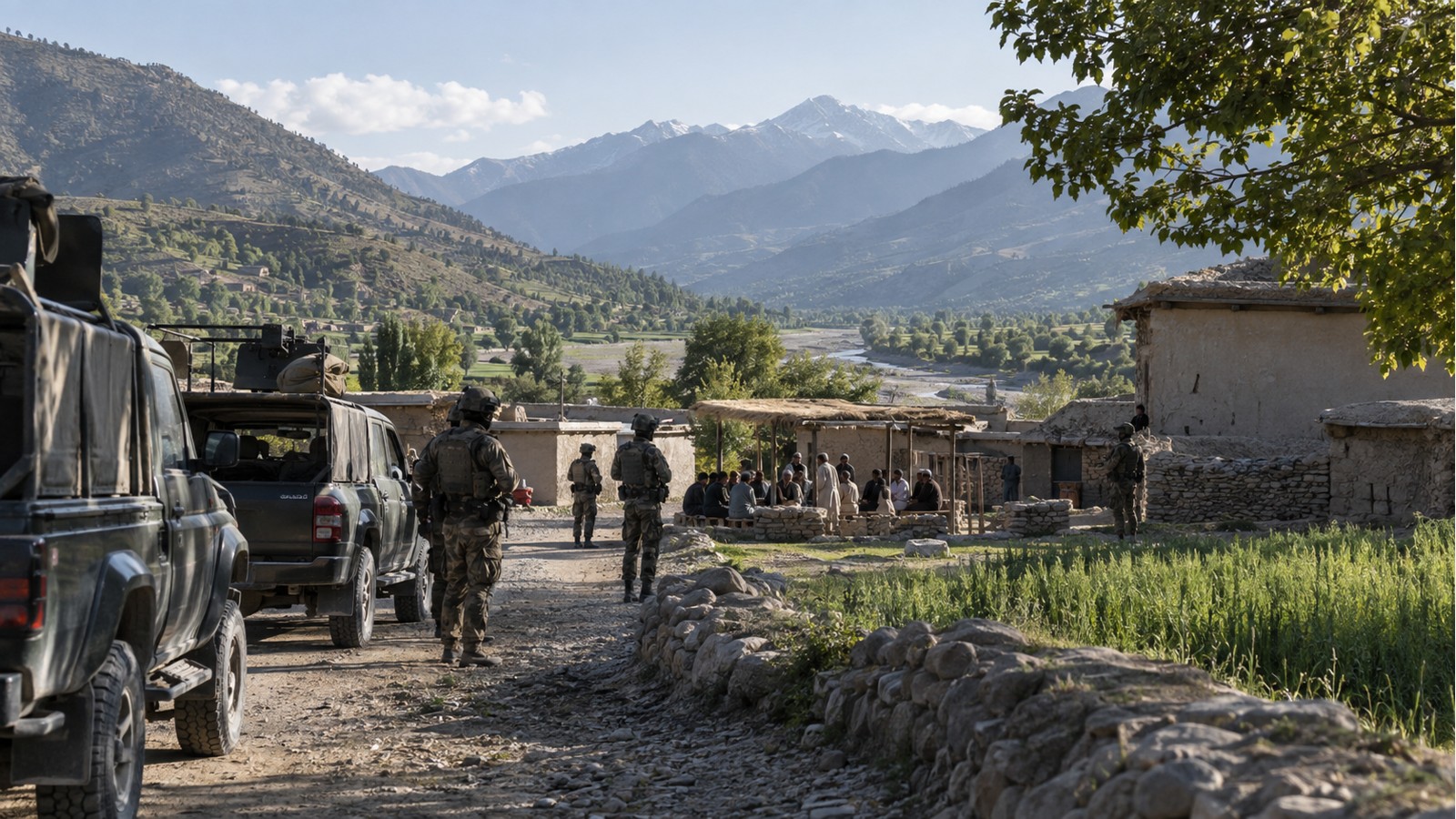
Military forces may help create security, but durable progress often depends on legitimate local institutions and the population’s belief that cooperation is safer than support for insurgents.
For Counterinsurgency Explained: How Militaries Fight Guerrilla Movements, the the main parts to understand angle is strongest when it connects military response to insurgency to organization, training, logistics, and accountability. Defense topics are rarely explained by one impressive number, because the result depends on people, doctrine, maintenance, communications, and support systems working together.
In the the main parts to understand section, military response to insurgency also needs plain context. A capability can look powerful on paper while still depending on readiness, terrain, policy, command judgment, and the mission it is assigned to support.
The the main parts to understand view also helps separate public fascination from military reality. Readers get a clearer picture when military response to insurgency is tied to disciplined training, lawful authority, maintenance cycles, and the larger unit that turns an individual capability into useful defense power.
A strong explanation of the main parts to understand keeps the focus on judgment rather than spectacle. The useful questions are what the capability is for, who is responsible for it, what limits shape its use, and how it supports a mission without becoming the whole story.
How to Read the Claims
Claims about counterinsurgency should avoid simple formulas. Terrain, culture, politics, leadership, corruption, outside sanctuaries, and civilian protection all shape outcomes.
A responsible explanation focuses on the difficulty of the problem without offering tactical guidance for either insurgents or military forces.
For Counterinsurgency Explained: How Militaries Fight Guerrilla Movements, the how to read the claims angle is strongest when it connects military response to insurgency to organization, training, logistics, and accountability. Defense topics are rarely explained by one impressive number, because the result depends on people, doctrine, maintenance, communications, and support systems working together.
In the how to read the claims section, military response to insurgency also needs plain context. A capability can look powerful on paper while still depending on readiness, terrain, policy, command judgment, and the mission it is assigned to support.
The how to read the claims view also helps separate public fascination from military reality. Readers get a clearer picture when military response to insurgency is tied to disciplined training, lawful authority, maintenance cycles, and the larger unit that turns an individual capability into useful defense power.
A strong explanation of how to read the claims keeps the focus on judgment rather than spectacle. The useful questions are what the capability is for, who is responsible for it, what limits shape its use, and how it supports a mission without becoming the whole story.
Where People Get Confused
One confusion is assuming counterinsurgency is only a military campaign. It is also a contest over legitimacy, security, services, trust, and political authority.
Another confusion is assuming more force always helps. Force can protect civilians and pressure armed groups, but excessive or poorly targeted force can undermine the larger goal.
For Counterinsurgency Explained: How Militaries Fight Guerrilla Movements, the where people get confused angle is strongest when it connects military response to insurgency to organization, training, logistics, and accountability. Defense topics are rarely explained by one impressive number, because the result depends on people, doctrine, maintenance, communications, and support systems working together.
In the where people get confused section, military response to insurgency also needs plain context. A capability can look powerful on paper while still depending on readiness, terrain, policy, command judgment, and the mission it is assigned to support.
The where people get confused view also helps separate public fascination from military reality. Readers get a clearer picture when military response to insurgency is tied to disciplined training, lawful authority, maintenance cycles, and the larger unit that turns an individual capability into useful defense power.
A strong explanation of where people get confused keeps the focus on judgment rather than spectacle. The useful questions are what the capability is for, who is responsible for it, what limits shape its use, and how it supports a mission without becoming the whole story.
Real-World Context
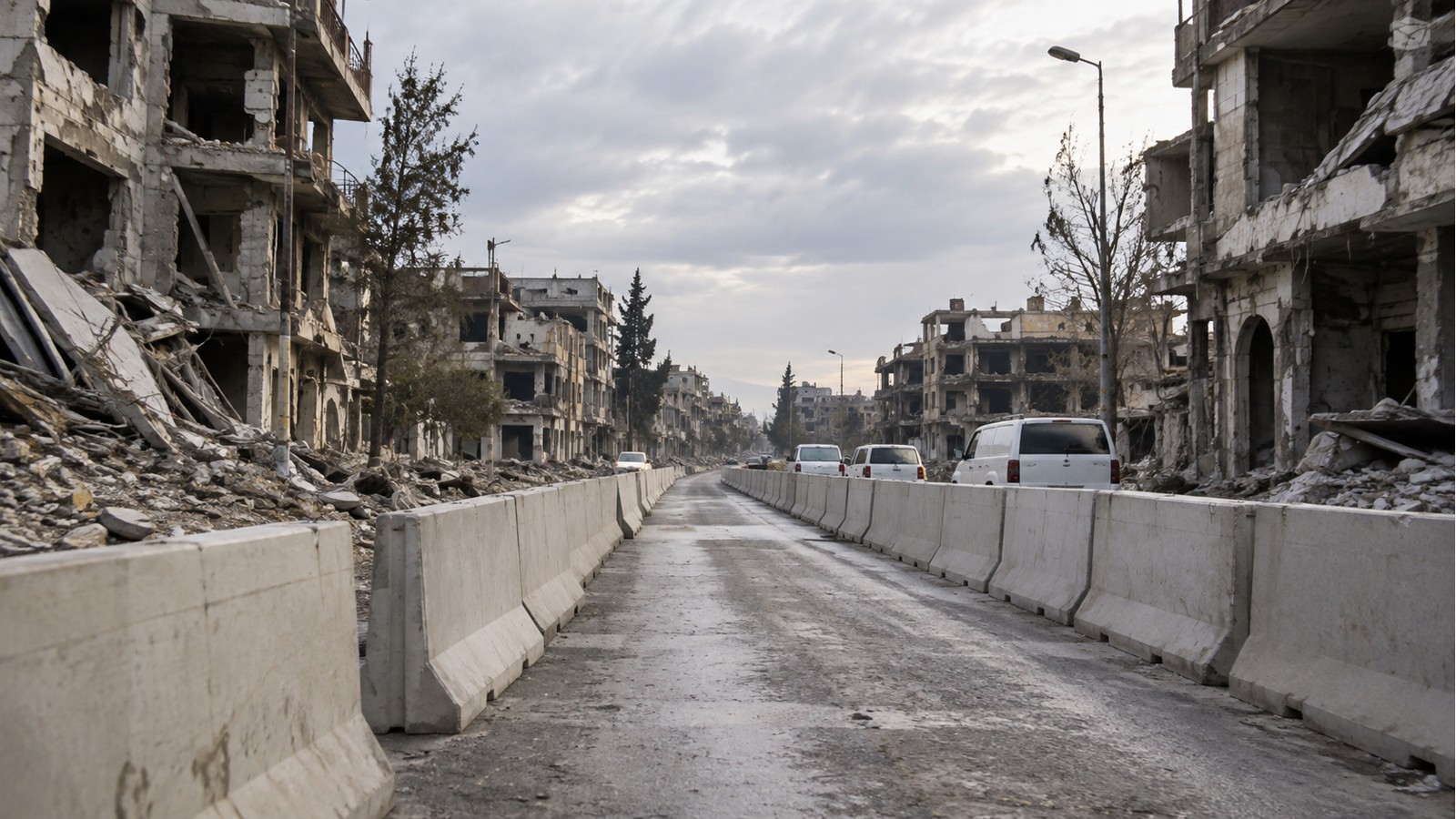
Modern counterinsurgency debates draw on cases from colonial wars, Vietnam, Iraq, Afghanistan, and many regional conflicts where military power alone could not settle political grievances.
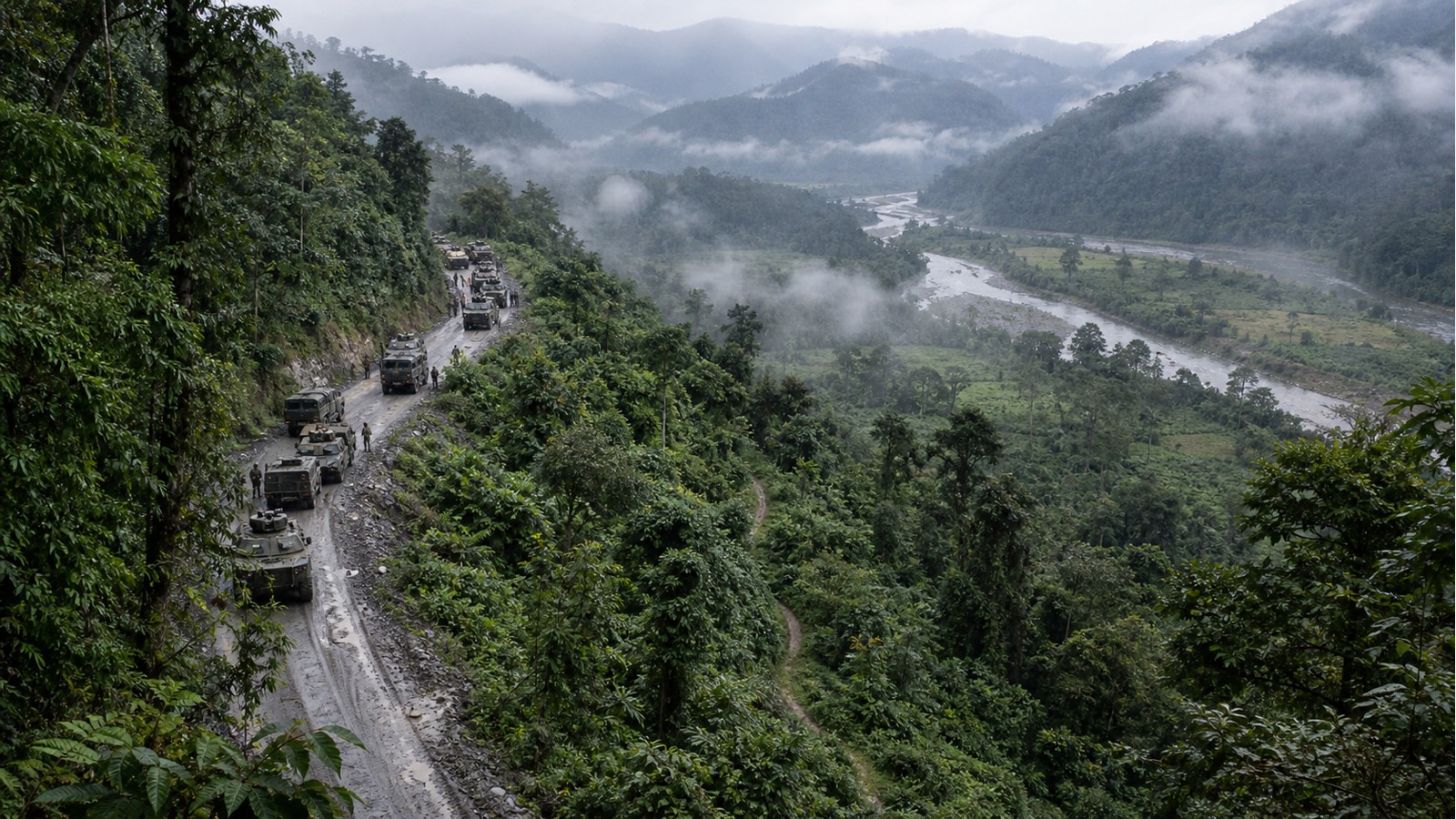
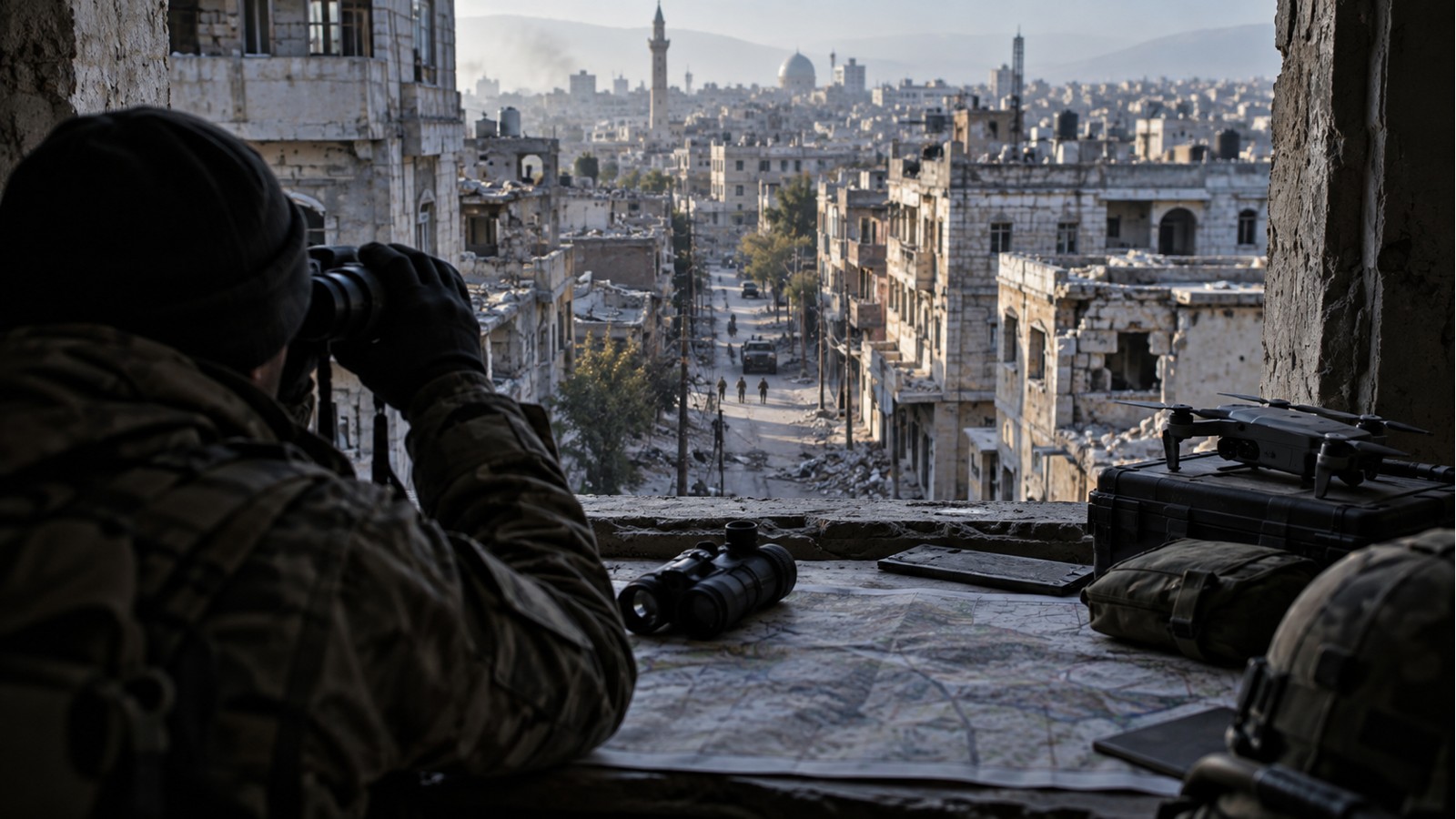
Cities, mountains, borderlands, social media, encrypted communications, drones, and outside sponsors can all make insurgent movements harder to isolate.
For Counterinsurgency Explained: How Militaries Fight Guerrilla Movements, the real-world context angle is strongest when it connects military response to insurgency to organization, training, logistics, and accountability. Defense topics are rarely explained by one impressive number, because the result depends on people, doctrine, maintenance, communications, and support systems working together.
In the real-world context section, military response to insurgency also needs plain context. A capability can look powerful on paper while still depending on readiness, terrain, policy, command judgment, and the mission it is assigned to support.
The real-world context view also helps separate public fascination from military reality. Readers get a clearer picture when military response to insurgency is tied to disciplined training, lawful authority, maintenance cycles, and the larger unit that turns an individual capability into useful defense power.
A strong explanation of real-world context keeps the focus on judgment rather than spectacle. The useful questions are what the capability is for, who is responsible for it, what limits shape its use, and how it supports a mission without becoming the whole story.
Limits, Risks, and Tradeoffs
The limits include weak governance, local distrust, corruption, intelligence gaps, language barriers, civilian casualties, sanctuary areas, and the patience required for long campaigns.
Foreign forces face additional limits because legitimacy often depends on local leadership rather than outside military capacity.
For Counterinsurgency Explained: How Militaries Fight Guerrilla Movements, the limits, risks, and tradeoffs angle is strongest when it connects military response to insurgency to organization, training, logistics, and accountability. Defense topics are rarely explained by one impressive number, because the result depends on people, doctrine, maintenance, communications, and support systems working together.
In the limits, risks, and tradeoffs section, military response to insurgency also needs plain context. A capability can look powerful on paper while still depending on readiness, terrain, policy, command judgment, and the mission it is assigned to support.
The limits, risks, and tradeoffs view also helps separate public fascination from military reality. Readers get a clearer picture when military response to insurgency is tied to disciplined training, lawful authority, maintenance cycles, and the larger unit that turns an individual capability into useful defense power.
A strong explanation of limits, risks, and tradeoffs keeps the focus on judgment rather than spectacle. The useful questions are what the capability is for, who is responsible for it, what limits shape its use, and how it supports a mission without becoming the whole story.
How the Topic Is Changing
Counterinsurgency is changing through cheap drones, digital propaganda, encrypted messaging, open-source intelligence, urban growth, and international scrutiny of civilian harm.
Future campaigns may depend more on information credibility, local security forces, and political settlements than on large foreign footprints.
For Counterinsurgency Explained: How Militaries Fight Guerrilla Movements, the how the topic is changing angle is strongest when it connects military response to insurgency to organization, training, logistics, and accountability. Defense topics are rarely explained by one impressive number, because the result depends on people, doctrine, maintenance, communications, and support systems working together.
In the how the topic is changing section, military response to insurgency also needs plain context. A capability can look powerful on paper while still depending on readiness, terrain, policy, command judgment, and the mission it is assigned to support.
The how the topic is changing view also helps separate public fascination from military reality. Readers get a clearer picture when military response to insurgency is tied to disciplined training, lawful authority, maintenance cycles, and the larger unit that turns an individual capability into useful defense power.
A strong explanation of how the topic is changing keeps the focus on judgment rather than spectacle. The useful questions are what the capability is for, who is responsible for it, what limits shape its use, and how it supports a mission without becoming the whole story.
A Clear Way to Remember It
A simple memory hook is security, legitimacy, intelligence, restraint. Counterinsurgency works only when people are safer, authority is credible, information is accurate, and force is disciplined.
When reading about guerrilla movements, ask what political problem sustains the fighting and who the population trusts.
For Counterinsurgency Explained: How Militaries Fight Guerrilla Movements, the a clear way to remember it angle is strongest when it connects military response to insurgency to organization, training, logistics, and accountability. Defense topics are rarely explained by one impressive number, because the result depends on people, doctrine, maintenance, communications, and support systems working together.
In the a clear way to remember it section, military response to insurgency also needs plain context. A capability can look powerful on paper while still depending on readiness, terrain, policy, command judgment, and the mission it is assigned to support.
The a clear way to remember it view also helps separate public fascination from military reality. Readers get a clearer picture when military response to insurgency is tied to disciplined training, lawful authority, maintenance cycles, and the larger unit that turns an individual capability into useful defense power.
A strong explanation of a clear way to remember it keeps the focus on judgment rather than spectacle. The useful questions are what the capability is for, who is responsible for it, what limits shape its use, and how it supports a mission without becoming the whole story.
Bottom Line on Counterinsurgency
Counterinsurgency is difficult because it is both a security problem and a legitimacy contest. Militaries can help create conditions for stability, but politics, civilian protection, intelligence, and restraint decide whether gains last.