Space Forces 101: What Military Space Forces Do and Why They Matter
Space Forces 101: What Military Space Forces Do and Why They Matter is best read as a practical explainer, not a slogan or a ranking. The useful version of the topic starts with purpose, organization, limits, and the details that make the topic useful, then connects those pieces to people, equipment, geography, and command judgment. For Defense Street readers, Space Forces matters because it shows how modern defense work depends on systems that must perform under pressure, not just on the part that looks most dramatic from the outside.
What the Topic Really Means
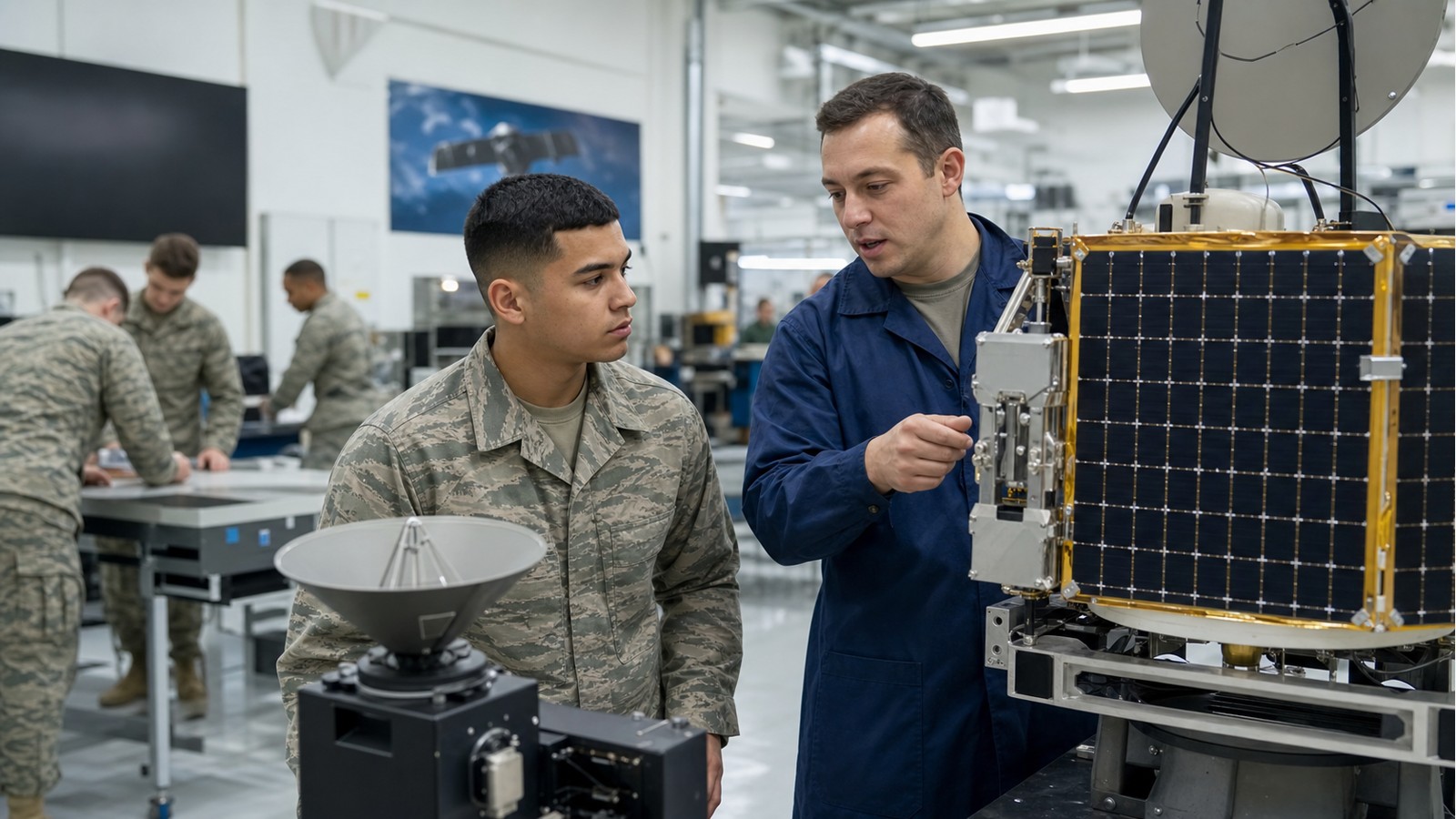
Military space forces organize, train, equip, and operate capabilities that help a country use space for security. They protect satellites, manage launches, support communications, provide warning, and track activity in orbit.
Space forces do not exist because soldiers are fighting in space like science fiction. They exist because modern military and civilian systems depend on satellites every day.
For Space Forces 101: What Military Space Forces Do and Why They Matter, the what the topic really means angle is strongest when it connects military space operations to organization, training, logistics, and accountability. Defense topics are rarely explained by one impressive number, because the result depends on people, doctrine, maintenance, communications, and support systems working together.
In the what the topic really means section, military space operations also needs plain context. A capability can look powerful on paper while still depending on readiness, terrain, policy, command judgment, and the mission it is assigned to support.
The what the topic really means view also helps separate public fascination from military reality. Readers get a clearer picture when military space operations is tied to disciplined training, lawful authority, maintenance cycles, and the larger unit that turns an individual capability into useful defense power.
A strong explanation of what the topic really means keeps the focus on judgment rather than spectacle. The useful questions are what the capability is for, who is responsible for it, what limits shape its use, and how it supports a mission without becoming the whole story.
Why It Matters in Defense
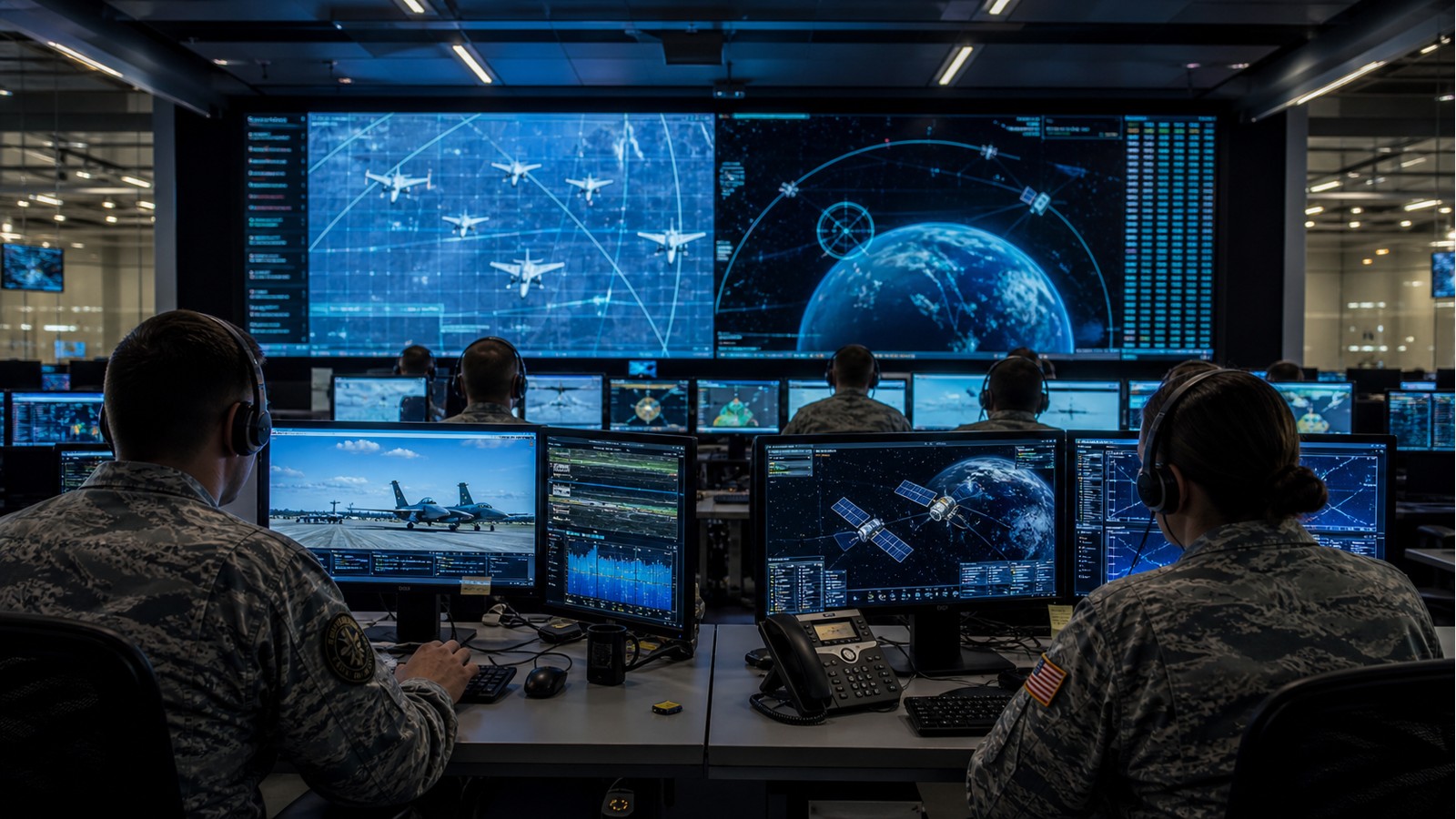
Space forces matter because navigation, timing, communications, weather, missile warning, intelligence, and global command systems depend on space-based infrastructure.
They also matter because rivals can threaten those systems through jamming, cyber intrusion, dazzling, close approaches, debris, or attacks on ground stations.
For Space Forces 101: What Military Space Forces Do and Why They Matter, the why it matters in defense angle is strongest when it connects military space operations to organization, training, logistics, and accountability. Defense topics are rarely explained by one impressive number, because the result depends on people, doctrine, maintenance, communications, and support systems working together.
In the why it matters in defense section, military space operations also needs plain context. A capability can look powerful on paper while still depending on readiness, terrain, policy, command judgment, and the mission it is assigned to support.
The why it matters in defense view also helps separate public fascination from military reality. Readers get a clearer picture when military space operations is tied to disciplined training, lawful authority, maintenance cycles, and the larger unit that turns an individual capability into useful defense power.
A strong explanation of why it matters in defense keeps the focus on judgment rather than spectacle. The useful questions are what the capability is for, who is responsible for it, what limits shape its use, and how it supports a mission without becoming the whole story.
The Main Parts to Understand
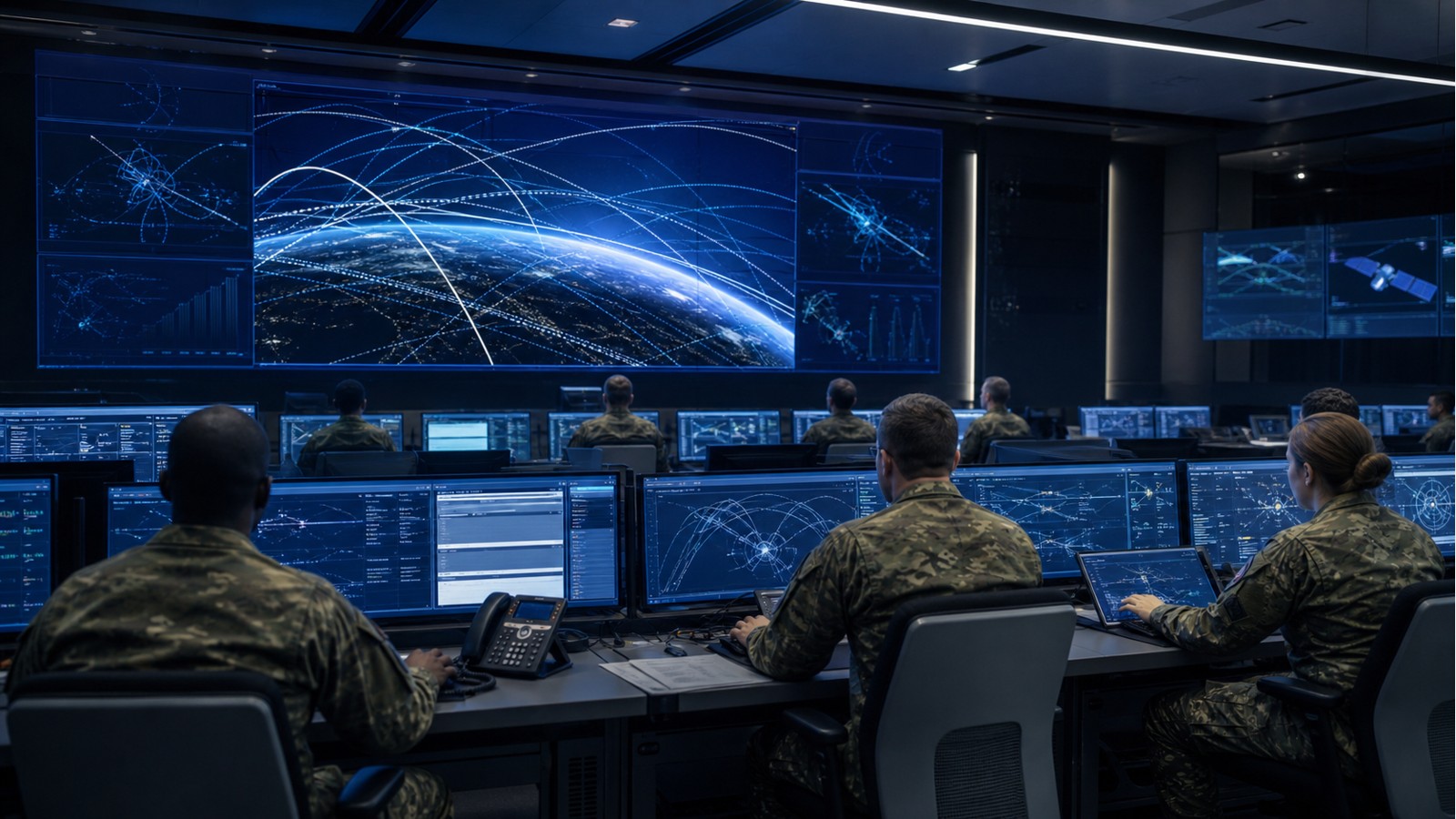
The main parts include satellite operations, missile warning, satellite communications, positioning and timing, launch support, space domain awareness, cyber defense, and electromagnetic warfare.
The U.S. Space Force describes core functions such as space superiority, global mission operations, and assured space access.
For Space Forces 101: What Military Space Forces Do and Why They Matter, the the main parts to understand angle is strongest when it connects military space operations to organization, training, logistics, and accountability. Defense topics are rarely explained by one impressive number, because the result depends on people, doctrine, maintenance, communications, and support systems working together.
In the the main parts to understand section, military space operations also needs plain context. A capability can look powerful on paper while still depending on readiness, terrain, policy, command judgment, and the mission it is assigned to support.
The the main parts to understand view also helps separate public fascination from military reality. Readers get a clearer picture when military space operations is tied to disciplined training, lawful authority, maintenance cycles, and the larger unit that turns an individual capability into useful defense power.
A strong explanation of the main parts to understand keeps the focus on judgment rather than spectacle. The useful questions are what the capability is for, who is responsible for it, what limits shape its use, and how it supports a mission without becoming the whole story.
How to Read the Claims
Claims about space forces should avoid treating them as a separate fantasy battlefield. Their daily work is technical, continuous, and tied to operations on Earth.
A useful explanation focuses on services that satellites provide, how those services can be disrupted, and what military organizations do to keep them available.
For Space Forces 101: What Military Space Forces Do and Why They Matter, the how to read the claims angle is strongest when it connects military space operations to organization, training, logistics, and accountability. Defense topics are rarely explained by one impressive number, because the result depends on people, doctrine, maintenance, communications, and support systems working together.
In the how to read the claims section, military space operations also needs plain context. A capability can look powerful on paper while still depending on readiness, terrain, policy, command judgment, and the mission it is assigned to support.
The how to read the claims view also helps separate public fascination from military reality. Readers get a clearer picture when military space operations is tied to disciplined training, lawful authority, maintenance cycles, and the larger unit that turns an individual capability into useful defense power.
A strong explanation of how to read the claims keeps the focus on judgment rather than spectacle. The useful questions are what the capability is for, who is responsible for it, what limits shape its use, and how it supports a mission without becoming the whole story.
Where People Get Confused
One confusion is mixing military space forces with NASA. NASA focuses on civil space exploration and science; military space organizations focus on national security missions.
Another confusion is assuming space forces only launch rockets. Launch matters, but so do operations, tracking, resilience, warning, communications, and defense against counterspace threats.
For Space Forces 101: What Military Space Forces Do and Why They Matter, the where people get confused angle is strongest when it connects military space operations to organization, training, logistics, and accountability. Defense topics are rarely explained by one impressive number, because the result depends on people, doctrine, maintenance, communications, and support systems working together.
In the where people get confused section, military space operations also needs plain context. A capability can look powerful on paper while still depending on readiness, terrain, policy, command judgment, and the mission it is assigned to support.
The where people get confused view also helps separate public fascination from military reality. Readers get a clearer picture when military space operations is tied to disciplined training, lawful authority, maintenance cycles, and the larger unit that turns an individual capability into useful defense power.
A strong explanation of where people get confused keeps the focus on judgment rather than spectacle. The useful questions are what the capability is for, who is responsible for it, what limits shape its use, and how it supports a mission without becoming the whole story.
Real-World Context
Space is more crowded and contested than it used to be. More governments and companies operate satellites, and military planners must account for congestion, debris, commercial providers, and adversary systems.
Modern joint forces rely on space for navigation, precision timing, communications, intelligence, and missile warning, which makes space resilience a basic readiness issue.
For Space Forces 101: What Military Space Forces Do and Why They Matter, the real-world context angle is strongest when it connects military space operations to organization, training, logistics, and accountability. Defense topics are rarely explained by one impressive number, because the result depends on people, doctrine, maintenance, communications, and support systems working together.
In the real-world context section, military space operations also needs plain context. A capability can look powerful on paper while still depending on readiness, terrain, policy, command judgment, and the mission it is assigned to support.
The real-world context view also helps separate public fascination from military reality. Readers get a clearer picture when military space operations is tied to disciplined training, lawful authority, maintenance cycles, and the larger unit that turns an individual capability into useful defense power.
A strong explanation of real-world context keeps the focus on judgment rather than spectacle. The useful questions are what the capability is for, who is responsible for it, what limits shape its use, and how it supports a mission without becoming the whole story.
Limits, Risks, and Tradeoffs
The limits include launch capacity, satellite cost, orbital debris, cyber risk, ground-station vulnerability, international law, and the difficulty of repairing systems already in orbit.
Space systems can also create dependence. Forces need backup methods when signals are degraded, jammed, spoofed, or unavailable.
For Space Forces 101: What Military Space Forces Do and Why They Matter, the limits, risks, and tradeoffs angle is strongest when it connects military space operations to organization, training, logistics, and accountability. Defense topics are rarely explained by one impressive number, because the result depends on people, doctrine, maintenance, communications, and support systems working together.
In the limits, risks, and tradeoffs section, military space operations also needs plain context. A capability can look powerful on paper while still depending on readiness, terrain, policy, command judgment, and the mission it is assigned to support.
The limits, risks, and tradeoffs view also helps separate public fascination from military reality. Readers get a clearer picture when military space operations is tied to disciplined training, lawful authority, maintenance cycles, and the larger unit that turns an individual capability into useful defense power.
A strong explanation of limits, risks, and tradeoffs keeps the focus on judgment rather than spectacle. The useful questions are what the capability is for, who is responsible for it, what limits shape its use, and how it supports a mission without becoming the whole story.
How the Topic Is Changing
Space forces are changing through proliferated satellite constellations, commercial launch, reusable rockets, better tracking, cyber hardening, and closer integration with air, land, maritime, and cyber operations.
Future space power may depend on resilience more than on a few exquisite satellites. Distributed systems can make it harder for an adversary to disable an entire capability.
For Space Forces 101: What Military Space Forces Do and Why They Matter, the how the topic is changing angle is strongest when it connects military space operations to organization, training, logistics, and accountability. Defense topics are rarely explained by one impressive number, because the result depends on people, doctrine, maintenance, communications, and support systems working together.
In the how the topic is changing section, military space operations also needs plain context. A capability can look powerful on paper while still depending on readiness, terrain, policy, command judgment, and the mission it is assigned to support.
The how the topic is changing view also helps separate public fascination from military reality. Readers get a clearer picture when military space operations is tied to disciplined training, lawful authority, maintenance cycles, and the larger unit that turns an individual capability into useful defense power.
A strong explanation of how the topic is changing keeps the focus on judgment rather than spectacle. The useful questions are what the capability is for, who is responsible for it, what limits shape its use, and how it supports a mission without becoming the whole story.
A Clear Way to Remember It
A simple memory hook is launch, track, communicate, warn. Space forces help launch systems, track activity, enable communications, and provide warning.
When reading about space forces, ask what service the satellite provides, what threatens it, and how the force keeps that service available.
For Space Forces 101: What Military Space Forces Do and Why They Matter, the a clear way to remember it angle is strongest when it connects military space operations to organization, training, logistics, and accountability. Defense topics are rarely explained by one impressive number, because the result depends on people, doctrine, maintenance, communications, and support systems working together.
In the a clear way to remember it section, military space operations also needs plain context. A capability can look powerful on paper while still depending on readiness, terrain, policy, command judgment, and the mission it is assigned to support.
The a clear way to remember it view also helps separate public fascination from military reality. Readers get a clearer picture when military space operations is tied to disciplined training, lawful authority, maintenance cycles, and the larger unit that turns an individual capability into useful defense power.
A strong explanation of a clear way to remember it keeps the focus on judgment rather than spectacle. The useful questions are what the capability is for, who is responsible for it, what limits shape its use, and how it supports a mission without becoming the whole story.
Bottom Line on Space Forces
Space forces matter because modern defense depends on satellites for warning, communications, navigation, timing, and awareness. Their work is about resilience, access, tracking, and protecting space-enabled services.